
Eco-Friendly Catering Products Transforming Restaurant Supplies: Sustainable Solutions for Restaurants
Imagine a restaurant that eliminates single-use plastics from its supply chain and converts its waste into compostable materials within weeks—an approach that boosts customer loyalty and aligns with modern sustainability goals.
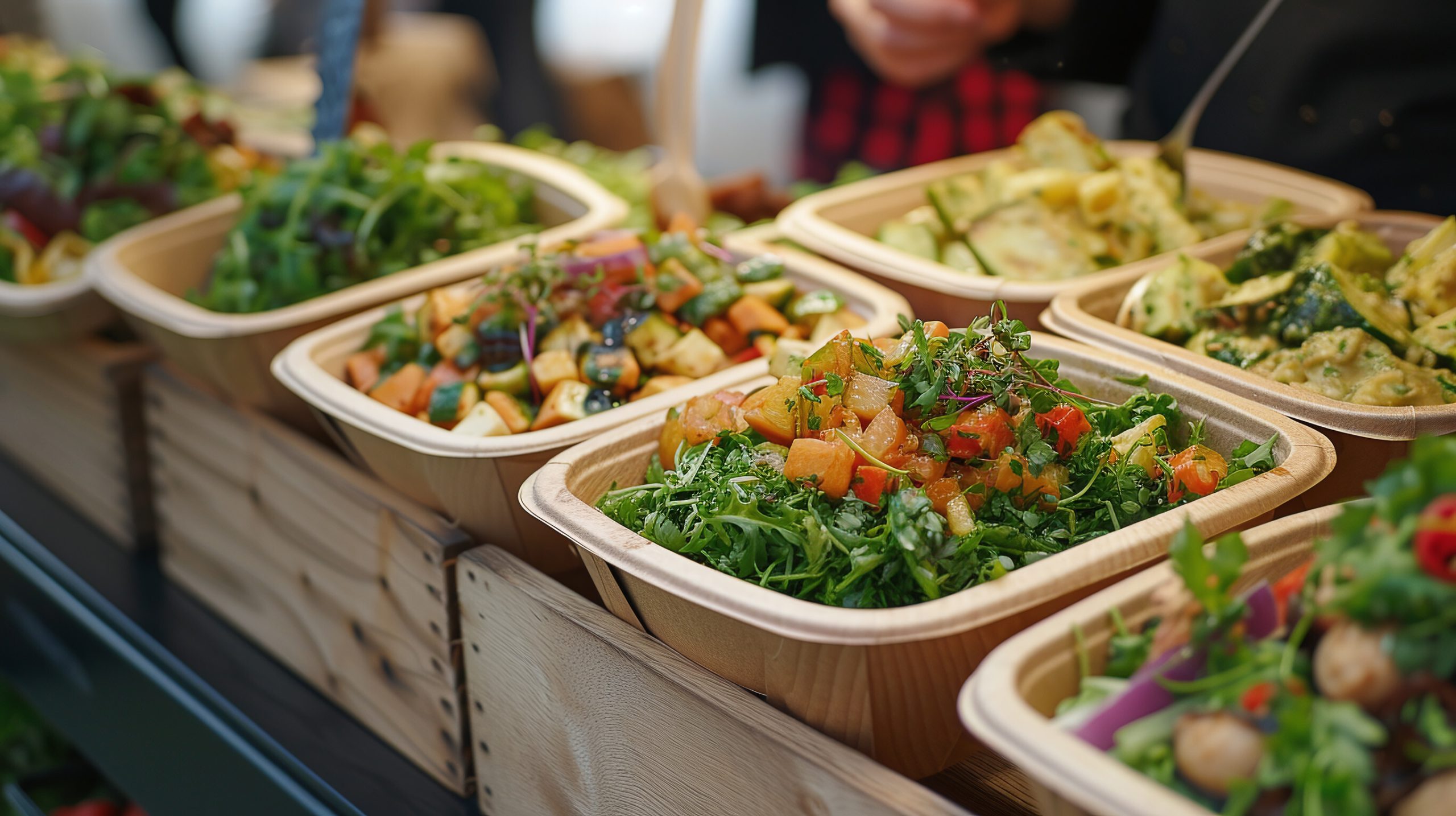
This guide delivers actionable insights on sustainable catering products for restaurants, defining key concepts, comparing compostable dinnerware, evaluating biodegradable containers, exploring green beverage service options, and outlining practical green operations. You’ll discover how eco-friendly catering products reduce environmental impact, comply with regulations, and enhance brand reputation while leveraging local providers like Standard Restaurant Supply – Las Vegas for fast, cost-effective delivery.
Each material’s unique properties influence the selection of plates, cups, and containers, preparing restaurants to evaluate their options in the next section on compostable dinnerware solutions.
What Are the Environmental Benefits of Using Green Catering Products?
Eco-friendly catering products reduce environmental impact by diverting waste from landfills, lowering greenhouse gas emissions, and preserving natural resources. They enhance brand reputation by demonstrating a commitment to sustainability, which 73 percent of consumers value. These products also support compliance with emerging regulations and can generate cost savings through efficient waste streams. Adopting green catering supplies ultimately paves the way for refined compostable dinnerware strategies.
Consumer Preferences for Sustainable Restaurant Practices
Research indicates that a significant portion of consumers prioritize sustainable practices in restaurants, with studies showing a willingness to pay a premium for eco-friendly dining options. This highlights the growing importance of sustainability in influencing consumer choices and loyalty.
This study directly supports the article's claim that consumers value sustainability, providing specific data on willingness to pay a premium for green restaurant choices.
Which Compostable Dinnerware Solutions Are Best for Restaurants?
Compostable dinnerware solutions include plant-based plates, bowls, and cutlery that replace traditional disposables with certified, nutrient-returning alternatives. Restaurants benefit from sturdy, visually appealing products that handle hot and cold foods while fitting existing waste management systems.
- Sugarcane Bagasse Plates and Bowls provide exceptional strength and heat resistance for entrees and soups.
- Palm Leaf Dinnerware offers an upscale, natural look suited for events and plated presentations.
- Compostable Cutlery made from cornstarch, PLA, and bamboo ensures utensil durability without plastic waste.
These options set the stage for detailed material-specific benefits in the following subsections.
What Are the Advantages of Sugarcane Bagasse Plates and Bowls?
Sugarcane bagasse plates and bowls deliver durable, oil- and moisture-resistant dinnerware that supports hot servings up to 212 °F. This material repurposes sugar mill byproducts into compostable items, reducing agricultural waste. For example, a busy catering event can rely on bagasse salad bowls without risking leakages or warping. Understanding its resilience prepares restaurants to compare palm leaf solutions.
How Does Palm Leaf Dinnerware Support Sustainable Foodservice?
Palm leaf dinnerware provides rigid, biodegradable plates and bowls crafted from naturally fallen palm foliage, eliminating the need for harvesting trees. The unique grain and attractive finish enhance presentation while composting at home or in industrial facilities within 30 days. This combination of aesthetics and sustainability aligns with upscale venues seeking eco-conscious alternatives before exploring cutlery options.
What Compostable Cutlery Options Are Available for Catering?
- Bamboo forks, knives, and spoons offer natural strength and a premium feel.
- PLA-based spoons and forks balance clarity and stiffness for lightweight service.
- Cornstarch utensils guarantee full compostability in commercial facilities.
Each option supports seamless catering experiences and leads into selecting biodegradable takeout containers.
How Can Restaurants Choose the Right Biodegradable Takeout Containers?

Selecting the appropriate biodegradable takeout container requires assessing material strength, heat retention, and disposal compatibility with composting or recycling systems. Containers must protect hot and cold foods while aligning with local waste programs.
| Container Type | Material | Key Benefit |
|---|---|---|
| Clamshell Box | Sugarcane Bagasse | Superior heat retention and leak resistance |
| Deli Container | PLA | Clear visibility with oil resistance |
| Takeout Box | Kraft Paper | Lightweight, grease-resistant finish |
Evaluating these attributes helps restaurants determine which containers suit their menu offerings and leads into detailed feature discussions.
What Are the Features of Sugarcane Clamshell Containers?
Sugarcane clamshell containers provide secure locking lids and insulating walls that maintain food temperature, ideal for hot meals. Their robust structure withstands stacking and transport, preventing spills. These containers compost in 60 days, supporting waste diversion goals before considering PLA deli options.
Why Use PLA Deli Containers and Cups for Foodservice?
PLA deli containers and cups deliver clear rigidity for salads, sides, and beverages, promoting product visibility while resisting oils. This bioplastic composts in industrial facilities within 90 days and avoids microplastic concerns. Understanding PLA properties readies operators to explore kraft paper solutions.
How Do Kraft Paper Takeout Boxes Support Eco-Friendly Packaging?
Kraft paper takeout boxes combine lightweight construction with a grease-resistant barrier, ensuring sandwiches and pastries remain intact. These boxes decompose naturally in home or industrial compost settings within 45 days and offer a cost-effective alternative to foam. Recognizing their versatility guides the transition to sustainable beverage service products.
What Sustainable Beverage Service Products Transform Restaurant Packaging?
Eco-friendly beverage service products include plant-based cold cups, compostable hot cups, and biodegradable straws that collectively reduce single-use plastic packaging. These items ensure on-the-go service aligns with waste reduction initiatives.
Which Plant-Based Cold Cups and Lids Are Eco-Friendly?
Plant-based cold cups and lids typically comprise PLA or sugarcane derivatives, offering crystal-clear presentation and leakproof seals. They resist oils and maintain structural integrity, composting in certified facilities. These cups encourage eco-friendly branding before addressing hot beverage needs.
How Do Compostable Hot Cups and Sleeves Reduce Waste?
Compostable hot cups use PLA-lined paper or bagasse blends that tolerate temperatures up to 200 °F, while matching sleeves enhance insulation without plastic. Both elements compost in industrial facilities within 90 days, supporting cafes in eliminating traditional plastics prior to straw selection.
What Are the Best Biodegradable Straws for Green Catering?
- Paper straws decompose in home compost settings and offer custom printing options.
- PLA straws maintain rigidity and compost in industrial processes.
- Bamboo straws are reusable, durable, and fully compostable.
Implementing these straw options prepares establishments for overarching green operations.
How Can Restaurants Implement Green Operations with Eco-Friendly Supplies?
Restaurants implement green operations by integrating waste reduction methods, pursuing relevant certifications, and staying compliant with local regulations. This holistic approach maximizes the impact of eco-friendly product adoption.
What Waste Reduction Strategies Support Sustainable Restaurant Practices?
Restaurants reduce waste by implementing source separation for compostables, optimizing portion control to minimize leftovers, and partnering with local composting facilities. These measures lower disposal costs and prepare teams for certification requirements.
Which Certifications Ensure Eco-Friendly Catering Product Quality?
Certifications validate product performance and environmental claims:
- BPI Certified Compostable products meet ASTM D6400 standards.
- ASTM specifications ensure biodegradability under controlled conditions.
- LEED points support sustainable building and operational practices.
Certification Standards for Compostable Products
Products certified as "BPI Compostable" meet rigorous ASTM standards, such as D6400 and D6868, which ensure they will biodegrade satisfactorily in industrial composting facilities. These standards dictate performance benchmarks, including specific disintegration and biodegradation rates, without leaving harmful residues.
This information directly verifies the article's statement regarding BPI certification and its adherence to ASTM D6400 standards, ensuring the quality and environmental claims of eco-friendly catering products.
Earning or sourcing certified items builds customer trust and supports regulatory compliance.
How Do Local Las Vegas Regulations Affect Eco-Friendly Packaging Choices?
Las Vegas mandates bans on plastic straws and restricts foam containers, prompting restaurants to adopt compostable and biodegradable alternatives. Local requirements encourage partnerships with suppliers who stock compliant products, such as those available through Standard Restaurant Supply – Las Vegas. These regulations drive sustainable packaging investments and inform long-term operational planning.
Restaurants that integrate these eco-friendly catering products into their operations will enhance sustainability, meet regulatory demands, and improve customer perception. By selecting the appropriate materials—from bagasse and PLA to bamboo and kraft paper—and aligning with waste reduction strategies, establishments can transform their supply chains toward a greener future.
What Are Eco-Friendly Catering Products and Why Do They Matter?
Eco-friendly catering products encompass compostable, biodegradable, and recyclable materials designed to reduce environmental impact in restaurants by minimizing landfill waste and conserving resources. These solutions matter because they support waste diversion strategies, foster customer trust, and ensure compliance with increasing plastic bans. Understanding these benefits lays the foundation for selecting the right products across dinnerware, takeout containers, beverage service, and operational practices.
How Do Compostable and Biodegradable Products Differ?
Compostable products break down into nutrient-rich soil under controlled conditions, while biodegradable items decompose naturally over time in diverse environments—compostables deliver a predictable return to the earth and biodegradables contribute to broader waste reduction.
Compostable packaging is certified to yield water, CO₂, and biomass without toxins, whereas biodegradable materials simply disintegrate, sometimes leaving micro-residues. Recognizing this difference guides restaurants to choose products that match their disposal and sustainability goals.
Distinguishing Compostable and Biodegradable Packaging Materials
Compostable materials are designed to break down into nutrient-rich soil under specific composting conditions, while biodegradable materials decompose naturally over time in various environments. Research on materials like sugarcane bagasse and bamboo demonstrates their potential as compostable alternatives, with some biodegrading within 60 days under natural conditions.
This research provides a clear distinction between compostable and biodegradable products and offers specific examples of eco-friendly materials like sugarcane bagasse and bamboo, supporting the article's discussion of sustainable materials and their decomposition properties.
Which Materials Are Commonly Used in Sustainable Restaurant Supplies?
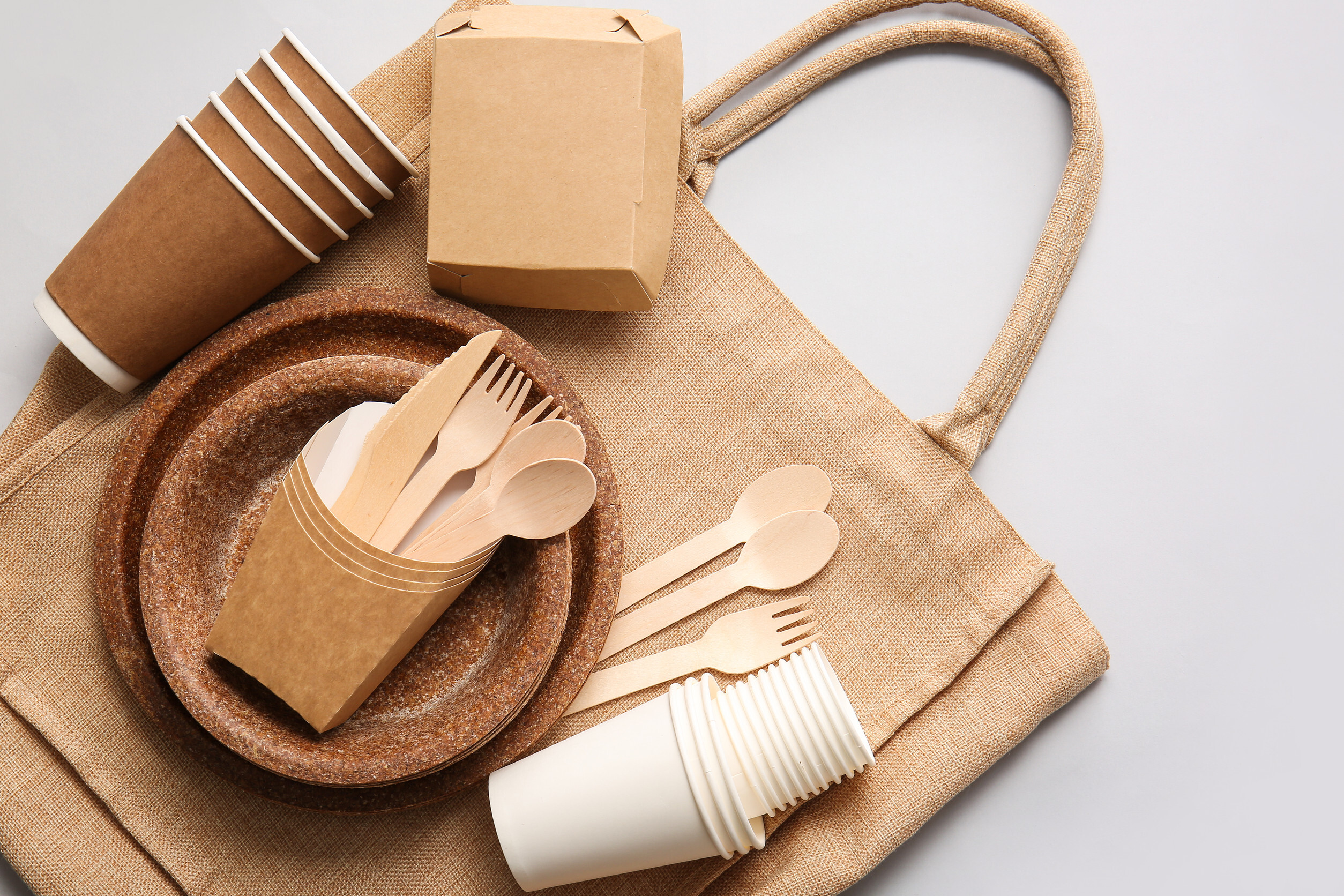
| Material | Source | Characteristic | Compostability |
|---|---|---|---|
| Sugarcane Bagasse | Byproduct of sugar processing | Sturdy, heat-resistant, moisture-proof | Industrial composting (60 days) |
| PLA (Polylactic Acid) | Cornstarch-derived bioplastic | Clear, oil-resistant, moderate heat tolerance | Industrial composting (90 days) |
| Bamboo | Fast-growing grass | Natural texture, sturdy, oil-resistant | Home or industrial composting (45 days) |
| Palm Leaf | Fallen palm leaf fiber | Rigid, leakproof, aesthetic appeal | Home composting (30 days) |